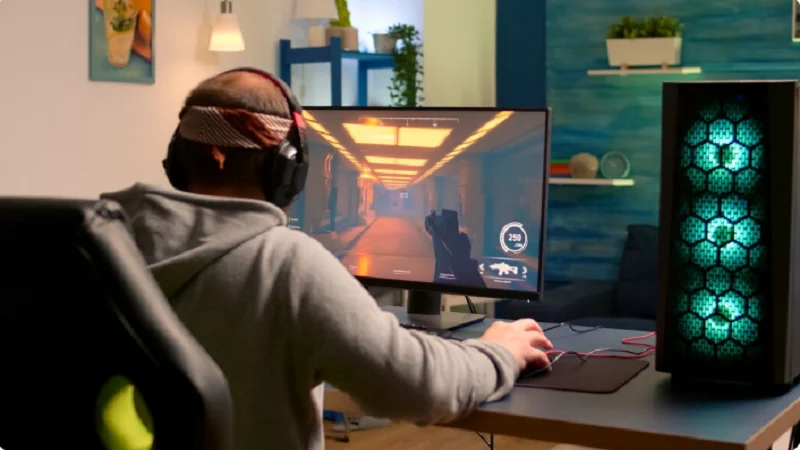
Linux gaming has grown rapidly over the last decade. Better drivers, powerful compatibility layers, and a strong open-source community have made it possible for many gamers to enjoy smooth performance without relying on other operating systems. This article focuses on practical gaming optimization ideas inspired by pblinuxtech gaming hacks from plugboxlinux, explained in a simple and beginner-friendly way. The goal is not to promote any platform or website, but to share general knowledge and techniques that Linux users can apply to improve their gaming experience.
Whether you are new to Linux or already comfortable with it, understanding how to tune your system can make a noticeable difference. From system settings to performance tweaks and safe usage guidelines, this article will walk you through everything step by step.
Understanding Linux-Based Gaming Environments
Before applying any gaming hacks, it is important to understand how Linux handles games.
How Linux Runs Games
Linux can run games in three main ways:
-
Native Linux games developed specifically for Linux
-
Compatibility layers that allow games from other operating systems to run
-
Emulation tools for older or console-based games
Each method has different performance characteristics. Native games usually perform best, while compatibility layers may need extra tuning.
Hardware and Driver Importance
Graphics drivers play a critical role in gaming performance. Open-source and proprietary drivers both exist, and choosing the right one for your GPU can affect frame rates, stability, and input latency.
System Preparation for Gaming
A well-prepared system is the foundation of good gaming performance.
Keeping the System Updated
Regular system updates ensure that you have:
-
The latest kernel improvements
-
Updated graphics drivers
-
Security patches that reduce background vulnerabilities
Updates often include performance improvements that benefit games indirectly.
Managing Background Processes
Background applications can consume CPU and memory resources. Closing unnecessary services before gaming can free up system power. Common examples include:
-
File indexing services
-
Unused cloud sync tools
-
Heavy background browsers
Performance Tweaks Inspired by Community Practices
Many Linux users share optimization methods based on real-world testing. One well-known discussion topic in this area is pblinuxtech gaming hacks from plugboxlinux, which highlights the importance of small but effective adjustments.
CPU Performance Modes
Switching your CPU governor to performance mode can help games maintain stable frame rates. This prevents the CPU from lowering its speed during gameplay.
Memory Management Tips
Linux handles memory efficiently, but you can still improve results by:
-
Ensuring enough swap space is available
-
Using lightweight desktop environments
-
Avoiding memory-heavy widgets
Graphics Optimization Techniques
Graphics settings often have the biggest impact on gaming experience.
Resolution and Scaling
Running games at a resolution that matches your hardware capabilities is crucial. Lowering resolution slightly can provide a big performance boost without heavily affecting visual quality.
V-Sync and Frame Limiting
Disabling V-Sync can reduce input lag, while frame limiters can help maintain consistent performance. Finding the right balance depends on the game and your monitor.
Audio and Input Improvements
Gaming is not only about visuals. Audio and input responsiveness matter too.
Audio Latency Reduction
Low-latency audio systems can improve reaction times in competitive games. Using optimized audio backends and minimizing background audio processing helps maintain clarity.
Controller and Keyboard Configuration
Ensuring that controllers and keyboards are properly mapped and updated reduces input delay. Custom key bindings can also improve comfort and performance.
Storage and Game Loading Speed
Fast storage significantly affects game load times.
Using Solid-State Drives
Installing games on SSDs instead of traditional hard drives can reduce loading screens and texture pop-ins.
File System Choices
Some file systems handle large game files more efficiently than others. Choosing a modern and well-supported file system can result in smoother data access during gameplay.
Network Optimization for Online Gaming
Online gaming performance depends heavily on network stability.
Reducing Latency
Simple steps to reduce latency include:
-
Using a wired connection instead of Wi-Fi
-
Closing bandwidth-heavy applications
-
Choosing servers closer to your location
Firewall and Port Awareness
Understanding basic firewall settings ensures that games can communicate properly with servers without unnecessary restrictions.
Safety and Ethical Guidelines
While optimizing performance is acceptable, it is important to stay within ethical boundaries. Discussions around pblinuxtech gaming hacks from plugboxlinux often stress responsible usage rather than exploiting games unfairly.
Avoiding Cheating Tools
Using cheats or exploits can result in bans and harm online communities. Focus on system-level optimizations rather than altering game mechanics.
Protecting Your System
Downloading unknown scripts or tools can introduce security risks. Always review what you install and understand what changes it makes to your system.
Troubleshooting Common Gaming Issues
Even optimized systems can face problems.
Performance Drops
If performance suddenly decreases, check:
-
Recent system updates
-
Driver compatibility
-
Background processes that may have restarted
Game Crashes
Crashes may occur due to missing dependencies or incompatible settings. Checking error logs can help identify the cause.
Long-Term System Maintenance
Gaming performance is not a one-time setup. It requires ongoing care.
Regular Cleaning
Removing unused packages and old game files frees up storage and reduces clutter.
Monitoring System Health
Keeping an eye on temperatures, fan speeds, and resource usage helps prevent hardware stress during long gaming sessions.
Balanced Gaming Experience
Optimization should not come at the cost of system stability. The ideas commonly discussed in pblinuxtech gaming hacks from plugboxlinux emphasize balance: good performance, system safety, and fair play.
Linux offers flexibility and control, but with that control comes responsibility. Understanding what each tweak does ensures that your system remains reliable while delivering smooth gameplay.
Conclusion
Linux gaming has reached a point where thoughtful optimization can deliver excellent results. By preparing your system, managing resources, optimizing graphics and audio, and following ethical guidelines, you can significantly improve your gaming experience. The principles highlighted throughout this article, including insights related to pblinuxtech gaming hacks from plugboxlinux, show that effective gaming on Linux is about knowledge, patience, and responsible customization.
With the right approach, Linux can be a powerful and enjoyable gaming platform for both casual and dedicated players.
Learn more:https://mybeautifuladventure.org/